
Eddeh el Batroun – St Sabba’s church

كنيسة مار سابا الأثريّة St.Saba church, Edde, Lebanon

Other Details

كنيسة مار سابا

Edde El-Batroun

Batroun

North

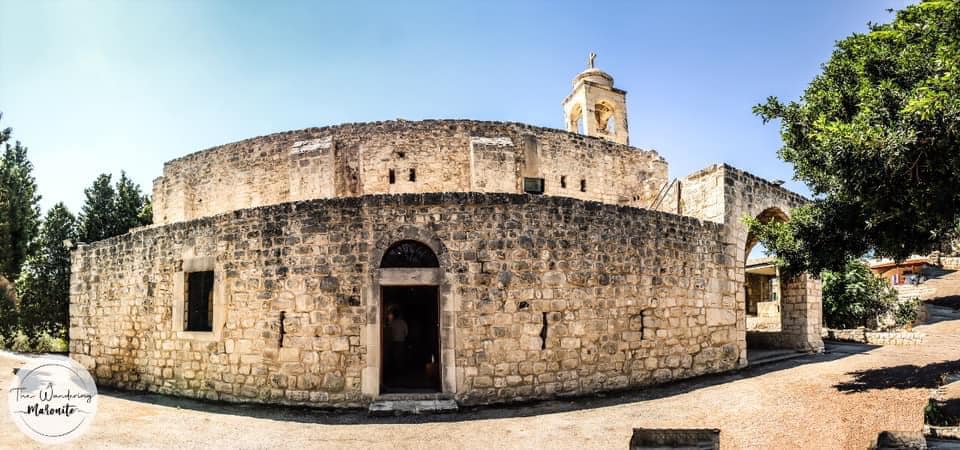
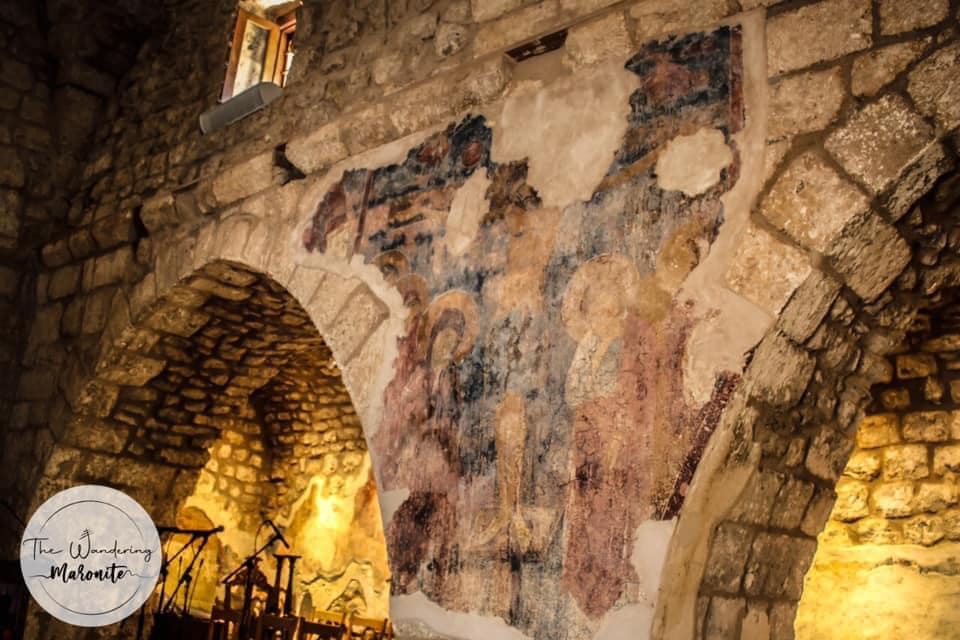
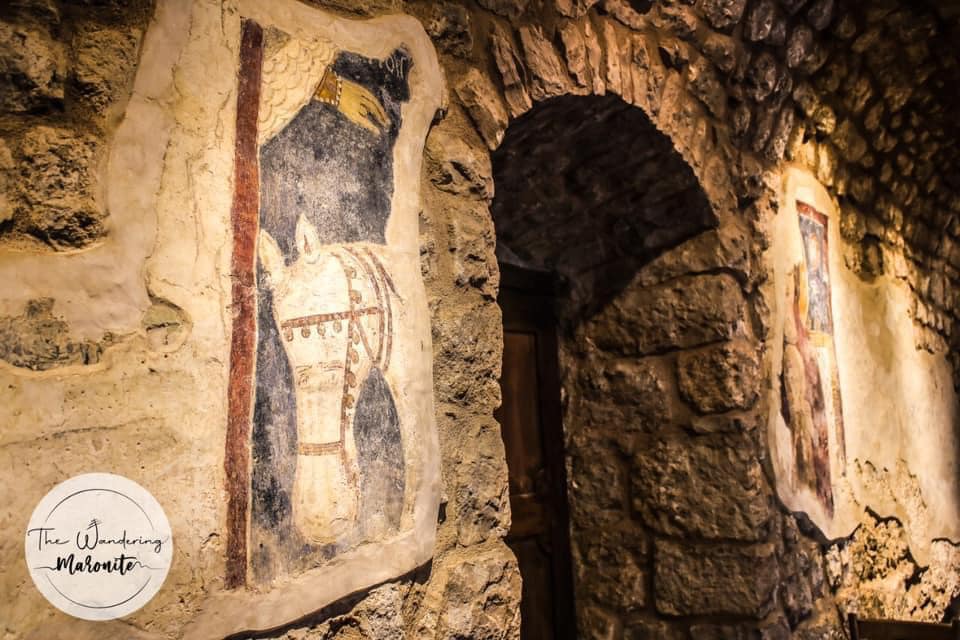
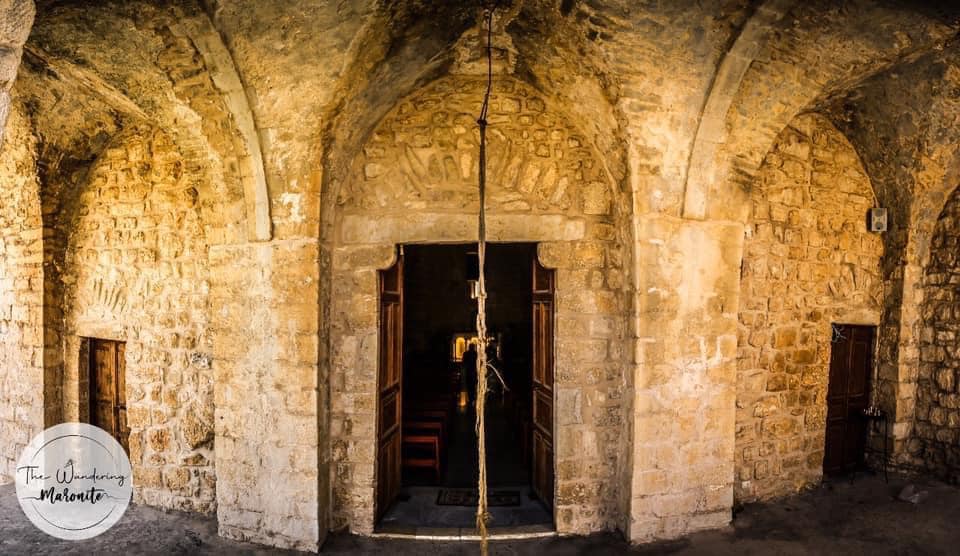
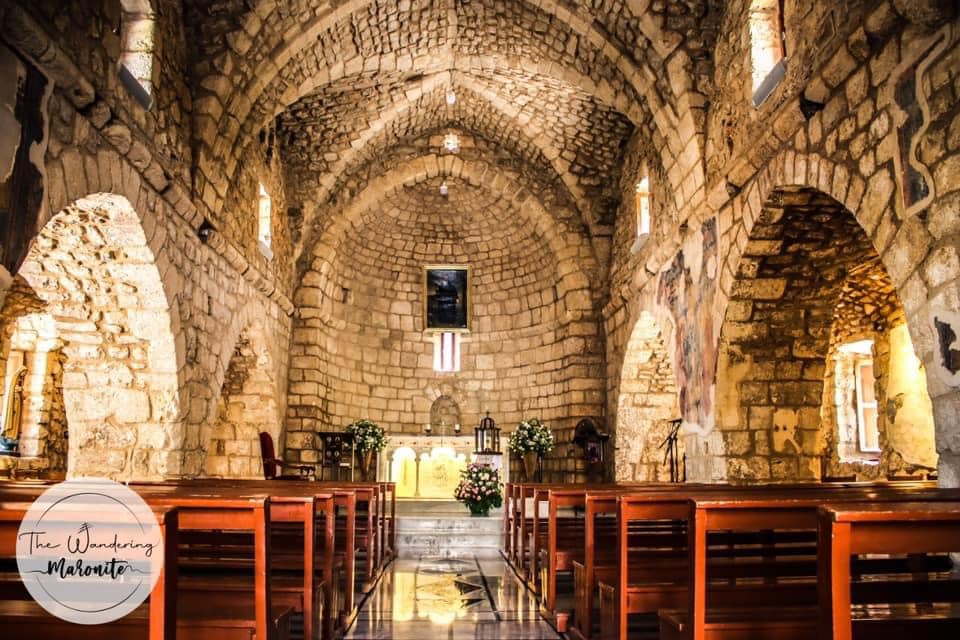
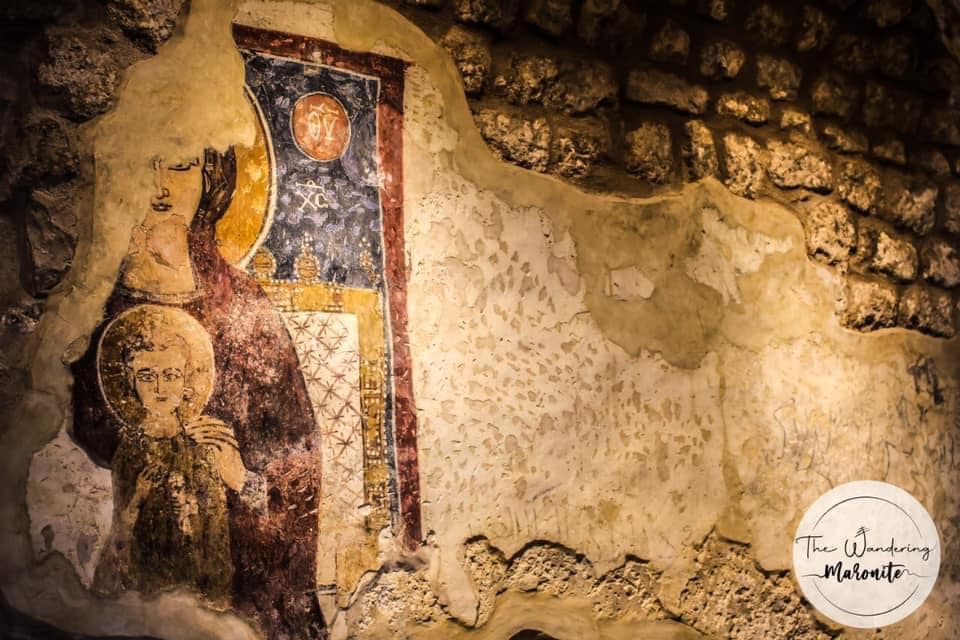
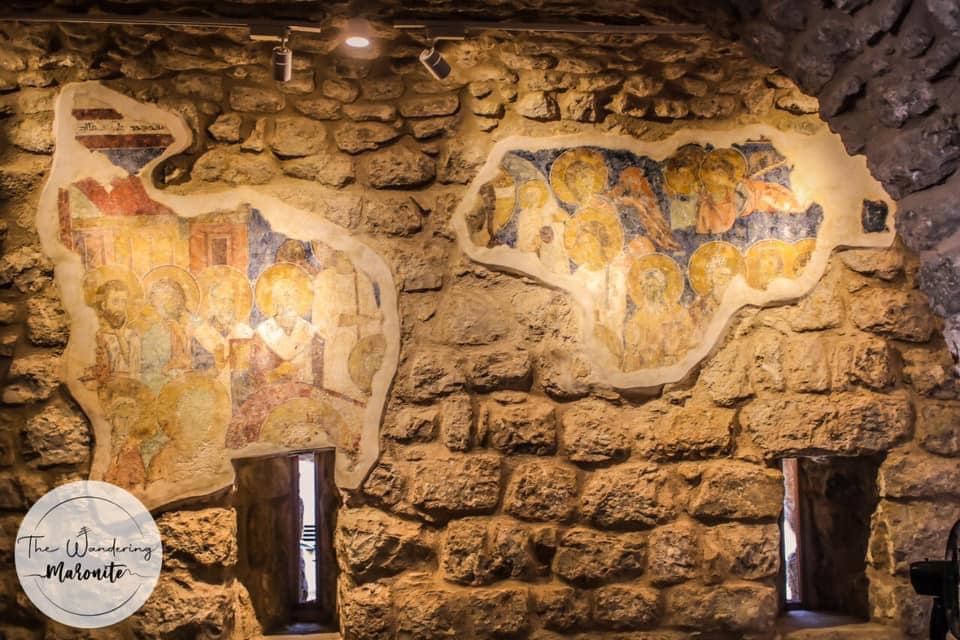
كنيسة مار سابا - اده البترونبناها الصليبيون في القرن الثاني عشر. كانت قديمًا مغطات بالكامل بجداريات بيزنطيّة لم يسلم منها سوى القليل رممت سنة ٢٠١٢.كنيسة مار سابا هذه، سبق للبطريرك إسطفان الدويهي أن أشار اليها عندما إستطاع ان يقرأ فيها مدوَّنةً سريانية تَصِف إنتصاراً احرَزَهُ الموارنة عندما ردّ وا هجومًا شنَّه السلطان بيبرس على طرابلس في العام 1266، مما أتاح للدويهي ان يحدّد العهد الذي تعود اليه جدرانيات هذه الكنيسة ومما يفسر الهندسة الدفاعية والنشابيات.ويتابع الدويهي قائلاً أن الموارنة شيَّدوا عندئذٍ عدَّة كنائس إحتفالاً بإنتصارهم هذا، ورسموا صوراً تخليداً له. وهناك مقطع لا يزال مرئياً في الاطار الذي يعلو صورة رقاد العذراء. ومن ذلك العهد العائد الى ما بعد العام 1266 يمكننا ان نرى صورةً للعذراء جالسةً وحاملةً طفلها. هذه القصة سردها الدويهي في كتاب تاريخ الازمنة.St Sabba’s church - Eddeh el BatrounBuilt by the Crusaders during the twelve century and covered entirely by byzantine frescoes (few remain today) and restored in 2012.This church was mentioned by patriarch Al Douaihy, in his book Tarikh Alazmina when he depicted syriac engravings on the frescoes narrating a Maronite victory over the Mamluk sultan named Bybars upon his assult on Tripoli in 1266, this information allowed Douwaihy to date the frescoes, and explains the military structure of the church. This event is still visible in the frame of the Madona’s fresco dedicating the church to the great victory of the Maronites.

Visited 4862 times, 5 Visits today
Reviews are disabled, but trackbacks and pingbacks are open.

Related Listings

Ghalboun – The monastery of St Focas

Ghalboun, Lebanon

دير مار فوقا

Ghalboun

Jbeil

Mount Lebanon

دير مار فوقا - غلبون
دير مار فوقا في أعالي بلدة غلبون يعود بناؤه إلى الحقبة البيزنطيّة في القرن السادس. مع مرور الزمن، أصبح الدير أطلالًا وعبثت فيه عوامل الطبيعة. بقي من البناء بقايا الكنيسة التي أخذت شكلها الحاليّ في القرون الوسطى. الكنيسة بسوقٍ واحد بدون سقف وبحنية دائريّة.
The monastery of St Focas - Ghalboun
The monastery of St Focas was built in the VIth century during the Byzantine era. With time the monastery became abandoned, the only remains were those of the church that took its shape in the middle ages. The church is a single nave structure with no roof and a semi circular apse.

Bejdarfel – The church of St Pandeleimon

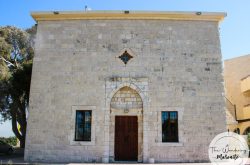
St. Pantaleon Church, Bejdarfil, Lebanon

كنيسة مار بنديليمون

Bijdarfil

Batroun

North

كنيسة مار بنديليمون - بجدرفل

بُنيت الكنيسة سنة ١٩١١، وهي الكنيسة الرعائيّة لبلدة بجدرفل. هي على إسم مار بنديليمون أو آسيا الصدّيق كما عرفه السّريان، وهو الطبيب الشافي. تشتهر الكنيسة كونها عجائبيّة، تقصدها للنذر العواقر. اللوحة التصويريّة مجلوبة من روما سنة ١٩٢٣، وهي من عمل جيورجيو مونتي.

The church of St Pandeleimon - Bejdarfel

The church was built in 1911 as the village’s parish and consecrated to St Pandeleimon also known as St Asia the just in the syriac tradition, as he was a doctor. The church is a pilgrimage site for barren women. The painting is brought from Rome, dates back to 1923, and is the work of Giorgio Monti.

Hermel – The monastery of St Maroun on the Orontes

Hermel, Lebanon

دير مار مارون على نهر العاصي

Hermel

Hermel

Baalbek-Hermel

The monastery of St Maroun on the Orontes - Hermel

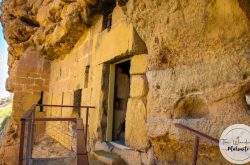
The monastery was originally a natural cave consisting of three sections, it was expanded by Roman builders working in nearby stone quarries. It is situated above Ain El Zarqa, one of the sources of the Orontes River, and connected to the river via a corridor carved into the mountainside. This was used to fetch water and provide a hiding place during enemy attacks. In the VIth century, Maronite monks sought refuge in the cave after facing persecution in northern Syria, where their monastery was destroyed and its contents dispersed. The monks expanded the cave and carved an altar, turning the cave into a new monastery. This marked the beginning of the Maronite migration to the mountains of Lebanon along the Orontes River. Over time, the monastery was neglected and became an abandoned farm. In 2011, it was visited by Patriarch Bechara Boutros Al-Rahi and has since been restored in 2018, returning to the Maronite Church. The monastery serves as a testament to the spread and perseverance of the Maronite Church in the Levant.